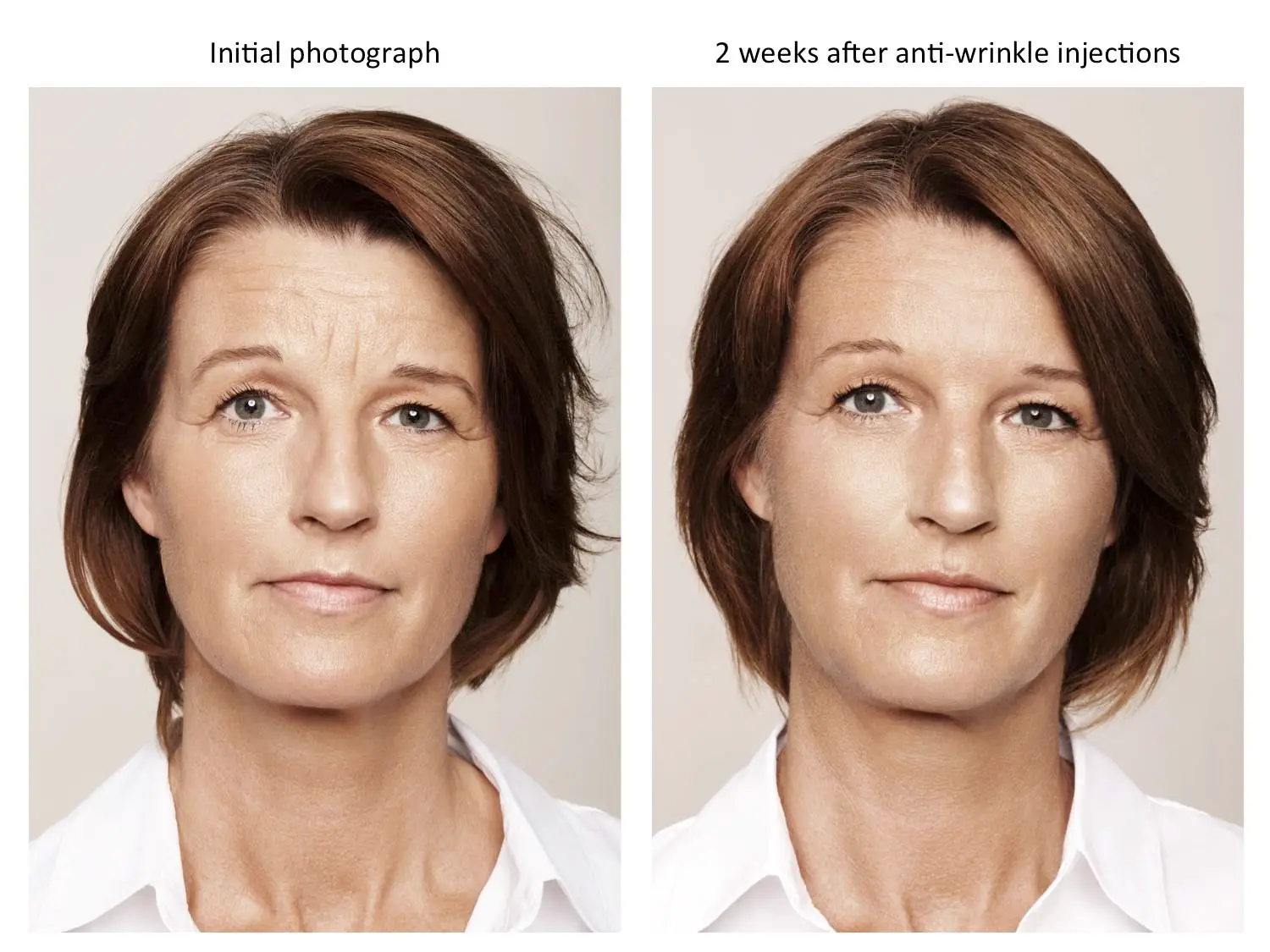
Anti-wrinkle injections (botulinum toxin type A) are one of the most popular cosmetic treatments in the world — and for good reason. When administered correctly, they're remarkably effective at softening dynamic wrinkles (those caused by facial muscle movement) with minimal downtime. But they're not suitable for everyone.
Who Is a Good Candidate?
You're likely a suitable candidate for anti-wrinkle injections if you:
- Are aged 18 or over
- Have dynamic wrinkles — lines that appear when you smile, frown, or raise your brows
- Are in good general health
- Have realistic expectations about results
- Are not pregnant or breastfeeding
Who Is NOT Suitable?
Anti-wrinkle injections are not appropriate for:
- Pregnant or breastfeeding women — Safety has not been established; this is an absolute contraindication
- People with certain neuromuscular disorders — Including myasthenia gravis, Lambert-Eaton syndrome, or motor neurone disease
- People taking certain medications — Including aminoglycosides, which can potentiate the effect of botulinum toxin
- Those with a known allergy to botulinum toxin or any ingredients in the formulation
- Active infection at the proposed injection site
Static vs Dynamic Wrinkles
It's important to understand that anti-wrinkle injections treat dynamic wrinkles — lines formed by muscle movement. Static wrinkles (present even at rest) are better addressed with dermal fillers, skin resurfacing, or bio-remodelling treatments. Dr Lindsay will assess which combination is right for you.
Where Can Anti-Wrinkle Injections Be Used?
The most common treatment areas are:
- Frown lines (between the brows)
- Forehead lines
- Crow's feet (around the eyes)
- Bunny lines (on the nose)
- Lip lines and corners of the mouth
- Chin (for dimpling)
- Neck (Nefertiti lift)
- Underarms (hyperhidrosis / excessive sweating)
- Jaw (facial slimming / bruxism)
Age Considerations
While there's no definitive "right age" to start, most patients begin in their late 20s to early 30s when early dynamic lines become noticeable. Starting earlier with conservative doses can help prevent deeper lines from forming — a strategy known as preventative treatment.